The standoff over the Strait of Hormuz is increasingly becoming a business and trade story, with prolonged disruption threatening energy supplies, shipping activity and the cost of moving goods around the world.
US President Donald Trump has rejected a proposed truce from Iran that Tehran said could lead to the reopening of the Strait of Hormuz to normal maritime traffic within seven days.
The decision leaves one of the world’s most important shipping routes at the centre of the US-Iran conflict, raising further uncertainty for businesses that depend on energy supplies and international shipping.
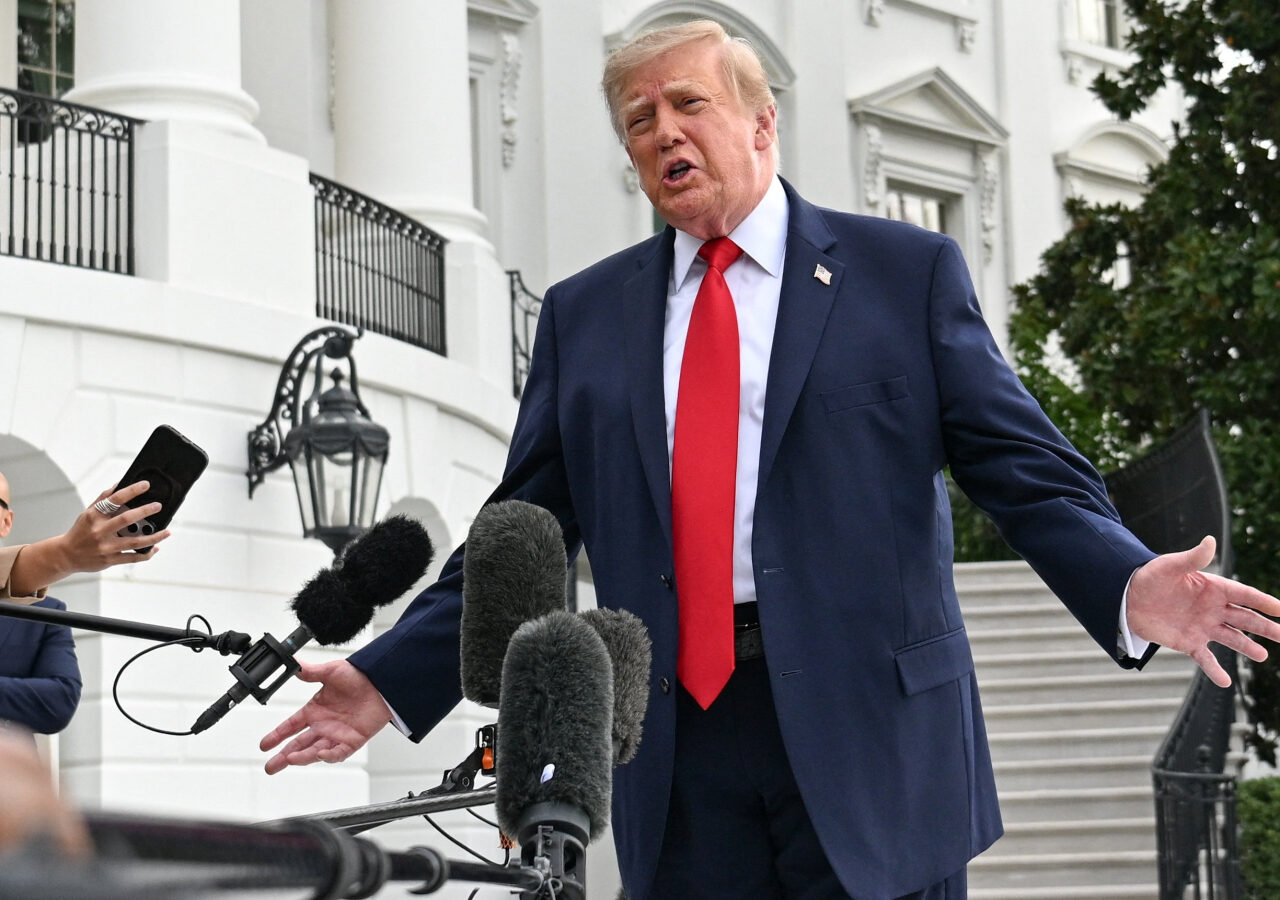
Trump confirmed the rejection on Saturday, telling reporters outside the White House that Iran had made a proposal but that he had turned it down.
Iran’s proposal, according to Foreign Minister Abbas Araghchi, would involve a cessation of hostilities across the Middle East, including in Lebanon, alongside conditions concerning frozen Iranian assets, US sanctions on Iranian oil and the US naval blockade.
Under Tehran’s proposal, the Strait of Hormuz would be reopened on the seventh day of the truce.
Araghchi said Iran had presented Washington with a concrete seven-day plan through Qatar and that, if the required conditions were met, normal maritime passage could resume within that period.
For businesses, however, the significance of the proposal goes beyond the diplomatic negotiations.
Why the Strait of Hormuz Matters to Business
The Strait of Hormuz is one of the world’s most important maritime trade routes, particularly for the global energy market.
Large volumes of oil and other energy products move through the waterway, meaning any sustained disruption can affect not only energy companies but also manufacturers, airlines, transport operators, logistics businesses and consumers.
A prolonged shipping disruption can also create additional costs through longer routes, higher insurance premiums, delays and uncertainty around delivery schedules.
For companies operating on tight margins, those additional costs can eventually feed into the prices of goods and services.
The uncertainty is particularly important for businesses that rely on predictable international supply chains.
A company importing machinery, industrial equipment or raw materials, for example, may face higher transportation costs or longer delivery times if shipping companies are forced to alter routes or take additional security precautions.
Businesses Face Another Layer of Uncertainty
The latest development comes after months of tension around the waterway.
According to the account provided in the source material, Iran has required ships to obtain authorisation before passing through the Strait, citing security and sovereignty concerns. Vessels that refuse to comply have been targeted, while the United States has carried out retaliatory strikes against Iranian coastal areas.
The resulting uncertainty has implications well beyond the Middle East.
Shipping companies must consider whether vessels can safely pass through the waterway, while insurers assess the risks associated with operating in the region.
Energy traders, manufacturers and import-dependent businesses must also factor potential supply disruptions into their planning.
That makes the Strait of Hormuz not simply a geopolitical flashpoint, but a commercial risk for the global economy.
Shipping Costs Could Become a Business Issue
For international businesses, the cost of transporting goods is determined by more than the price charged by a shipping company.
Fuel, insurance, port charges, security costs, vessel availability and the length of a journey can all influence the final cost.
If vessels are unable or unwilling to use a major shipping corridor, alternative routes can increase both transit times and operating costs.
Those costs can eventually move through the supply chain.
For businesses in developing markets such as Nigeria, where many companies depend on imported equipment, products and industrial inputs, global increases in shipping and energy costs can have domestic consequences.
The impact would not necessarily be limited to oil companies.
Manufacturers, distributors, retailers, logistics operators and other businesses exposed to international supply chains could also feel the pressure.
Iran Says Negotiations Remain Possible
Iranian President Masoud Pezeshkian said Tehran had not abandoned negotiations with Washington but that Iran no longer trusted the United States because of previous experiences.
He said the proposed process could begin immediately if Washington accepted the conditions.
Iran’s Revolutionary Guards, however, have continued to demand that its conditions be met before hostilities end.
Meanwhile, Trump has indicated that he expects Iran to meet US demands, while reports cited in the source material suggest Washington could resume its bombing campaign.
The conflicting positions mean businesses cannot yet assume that the proposed seven-day reopening of the Strait will take place.
A Global Trade Issue With Local Consequences
Saudi Arabia has also called for the Strait of Hormuz and the Bab al-Mandab to remain open, describing the waterways as vital to global energy security.
Russia has similarly indicated that it is prepared to contribute to efforts aimed at stabilising the region.
The wider concern for businesses is straightforward: global trade depends on predictable movement.
When major shipping routes become uncertain, companies have to plan around risks they cannot easily control.
That can mean holding more inventory, finding alternative suppliers, adjusting delivery schedules, increasing insurance coverage or passing additional costs to customers.
For companies already dealing with high operating costs, currency pressures and challenging financing conditions, another increase in international logistics costs could add to the pressure.
The immediate question is therefore whether the US and Iran can reach an agreement that allows normal maritime traffic through the Strait of Hormuz to resume.
For the global business community, the issue is much bigger than the diplomatic negotiations.
It is about whether one of the world’s most important trade routes can remain open, predictable and commercially viable.